Victorian Christmas Post Glass Can Wrap Review
As a designer who has spent years navigating the delicate balance between digital files and physical thread, I approach every new machine embroidery design with a critical eye. When I first opened the file for the Victorian Christmas Post Glass Can Wrap, my immediate reaction was one of nostalgic curiosity. The title suggests a very specific application—a glass can wrap—but the visual potential extends far beyond that single use case. In the world of holiday crafting, where trends shift rapidly, designs that lean into classic aesthetics often hold their value longer than fleeting fads. This particular piece falls under the category of Illustrations, promising a level of detail that requires careful handling to translate from screen to fabric.
The First Impression: Mood and Visual Personality
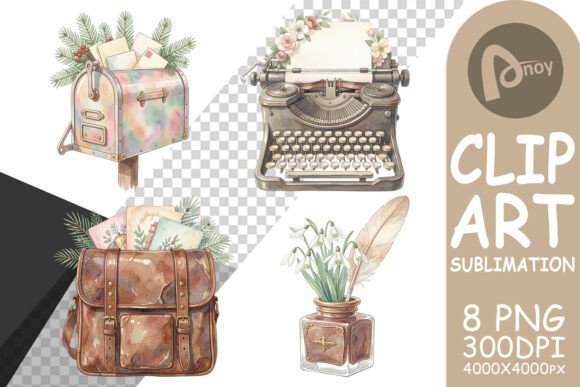
At first glance, the Victorian Christmas Post Glass Can Wrap exudes a warm, storybook charm. It captures that quintessential late 19th-century holiday spirit, likely featuring intricate linework and perhaps some subtle shading that mimics old engravings. For an Etsy seller or a small shop owner looking to curate a boutique collection, this kind of visual personality is gold. It immediately signals "handmade" and "heirloom quality" to the customer. Unlike modern, minimalist geometric patterns, this design invites the viewer to slow down and appreciate the craftsmanship.
However, the density of the illustration raises an important question about its execution. In a digital preview, lines look crisp. In reality, how will the stitch density hold up? If the design relies heavily on fine details to create the Victorian aesthetic, it demands high-quality thread colors and precise tension settings. A poorly executed version could result in muddy areas where the satin stitch and fill stitch blend indistinguishably. My instinct is that this design shines best when given enough space to breathe, rather than being crammed into a tiny hoop.
A Real-World Scenario: The Holiday Tote Bag Project
Let's imagine a practical scenario. You are preparing a line of custom holiday tote bags for your craft business. These aren't just generic canvas bags; they are premium cotton blends intended as reusable shopping totes or gift carriers. You decide to use the Victorian Christmas Post Glass Can Wrap as the central motif on the front panel. Here is where the rubber meets the road.
When you hooped the design onto the heavy cotton canvas, you noticed the stabilizer requirement immediately. Because the design is illustrative and likely contains varying stitch types, a standard tear-away might not be sufficient. A cutaway stabilizer would ensure the fabric doesn't pucker around the dense areas of the post illustration. As the machine began stitching, the contrast between the dark outlines and the lighter fill stitches became apparent. On a natural beige tote bag, the design popped beautifully, creating a sophisticated look that elevated the product from a simple utility item to a collectible personalized gift.
But consider the alternative: placing this same design on a sweatshirt. The texture of fleece or French terry is much softer and more forgiving than canvas. The Victorian Christmas Post Glass Can Wrap would likely sit well here too, perhaps centered on the chest or on the back of a crewneck. However, the stretch of the fabric introduces a variable. If the hoop size isn't managed correctly, the tension of the fabric could distort the straight lines of the post or the symmetry of the wreath elements. This is why testing on scrap fabric is non-negotiable before committing to a batch of inventory.
Navigating Fabric Textures and Placement Challenges
While the design is versatile, there are specific situations where caution is required. If you are working with thin fabrics like chiffon or silk, the weight of the embroidery file could overwhelm the material, causing warping. Similarly, highly textured fabrics like chenille or thick corduroy can interfere with the needle's path, potentially skipping stitches in the finer details of the illustration.
Curved surfaces present another challenge. If you attempt to apply the Victorian Christmas Post Glass Can Wrap to a cap or a curved pillow cover, the distortion of the image must be anticipated during the digitizing phase or adjusted manually. The straight vertical lines of a post design do not always play nicely with the curvature of a baseball cap unless the design is specifically mapped for it. Always check whether the design works for both personal and commercial projects on these complex shapes.
Furthermore, dark fabrics require a different strategy. Without a solid underlay of white fill stitch, the colors of the Victorian Christmas Post Glass Can Wrap may appear dull or muted against a black background. You might need to adjust the thread colors or add a layer of backing to ensure the vibrancy remains intact. This attention to detail separates a professional finished product from an amateur attempt.
Commercial Viability and Brand Consistency
For the digital product sellers and creative entrepreneurs, the Victorian Christmas Post Glass Can Wrap offers a unique selling point. In a market saturated with red and green generic motifs, a design that leans into historical illustration stands out. It appeals to customers who value tradition and storytelling. Whether you are selling the digital embroidery file itself or using it to create custom apparel for your brand, the design adds a layer of sophistication.
However, remember to confirm licensing before selling finished items. If you are purchasing this as a commercial asset, ensure the terms allow for unlimited production of small shop products. If you are reselling the file, the restrictions might be different. Using a design without proper clearance can damage your reputation and lead to legal issues, undermining the trust you have built with your buyers.
Practical Designer Notes for Success
To get the most out of the Victorian Christmas Post Glass Can Wrap, follow these practical steps:
- Test on Scrap Fabric: Never skip the test run. Stitch the design on a swatch of the actual fabric you plan to use to check for puckering and color accuracy.
- Check Thread Contrast: Ensure the outline colors stand out against the background. Sometimes a slight adjustment in hue makes a massive difference in visibility.
- Review Stitch Density: If the design feels too heavy, consider reducing the density in the software if you have access to edit the embroidery file, or choose a lighter fabric.
- Confirm Hoop Size: Make sure your hoop accommodates the full width and height of the design without cropping essential elements of the illustration.
- Inspect Small Details: Zoom in on the digitized preview to ensure no tiny letters or intricate lines are too close together, which could cause thread breaks.
- Use Proper Stabilizer: Match the stabilizer to the fabric weight. Heavyweight designs need heavyweight support.
- Compare Backgrounds: Create printable mockups showing the design on both light and dark backgrounds to help your customers visualize the final result.
In conclusion, the Victorian Christmas Post Glass Can Wrap is a robust asset for any craft business focused on the holiday season. It bridges the gap between traditional art and modern commercial embroidery. By respecting its intricacies and applying it thoughtfully to the right materials, you can create products that not only sell but also become cherished keepsakes for your customers. Whether it ends up on a baby blanket, a kitchen towel, or a high-end embroidered patch, the key lies in the execution. Take the time to prepare, test, and refine, and this design will serve as a standout piece in your portfolio.